
Evidence-based psychotherapies
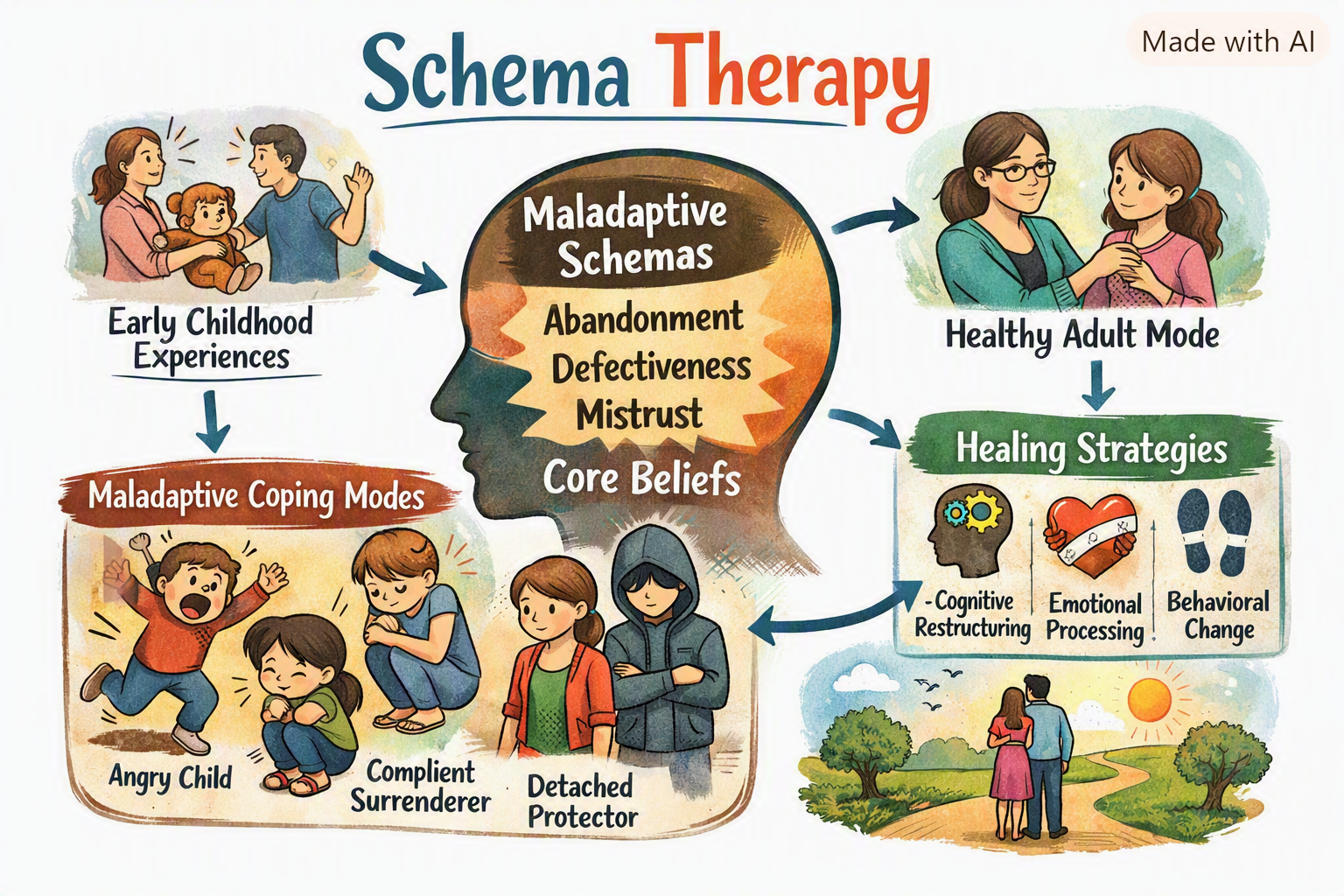
Schema Therapy
This is an integrative psychotherapy combining elements of cognitive behavioural therapy, attachment theory, and emotion-focused techniques to help people change deeply entrenched, unhelpful emotional patterns formed during childhood. By uncovering and healing "schemas," clients learn to understand their coping styles and develop healthier approaches to meet their emotional needs. Experiential techniques such as imagery rescripting and mode dialoguing are especially effective.
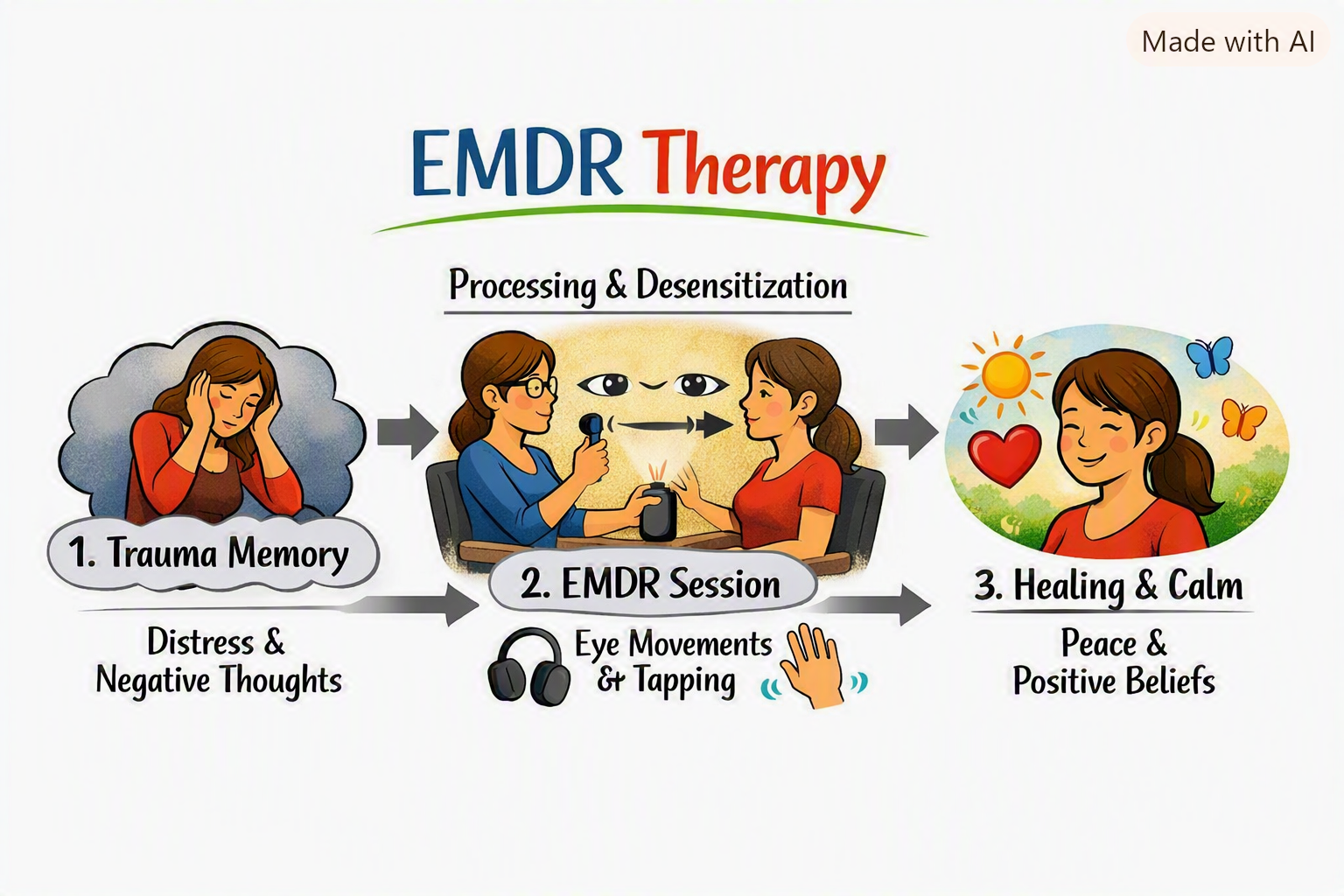
Eye Movement Desensitisation Reprocessing (EMDR) therapy
EMDR utilises structured bilateral stimulation, such as guided side-to-side eye movements, to help the brain naturally reprocess traumatic memories and adverse life experiences. This specialised technique significantly minimises the emotional and psychological distress tied to traumatic past events, fostering central nervous system healing.
Deep Brain Reorienting Therapy
Deep Brain Reorienting (DBR) is an advanced, neurobiologically based trauma therapy that focuses on the basic physiological tracking mechanisms within the brainstem. By targeting the exact sequence of shock and distress triggered during trauma, it helps the central nervous system safely discharge retained tension and process deep-seated trauma.
Evidence-based mental health occupational therapy interventions
Dialectical Behaviour Therapy (DBT)
DBT balances acceptance strategies with behavioural change methods to help individuals regulate intense emotions and manage distress. It focuses on building five core skillsets: validation, mindfulness, interpersonal effectiveness, emotion regulation, and distress tolerance. Phone coaching is offered to support the inter-session skill practice that is core to skill development in DBT.
Cognitive Behavioural Therapy (CBT)
CBT explores the intricate, circular relationships between an individual's thoughts, emotions, and behaviours. Clients collaborate with the therapist to actively identify unhelpful cognitive distortions and test new behavioural strategies to manage day-to-day distress effectively.
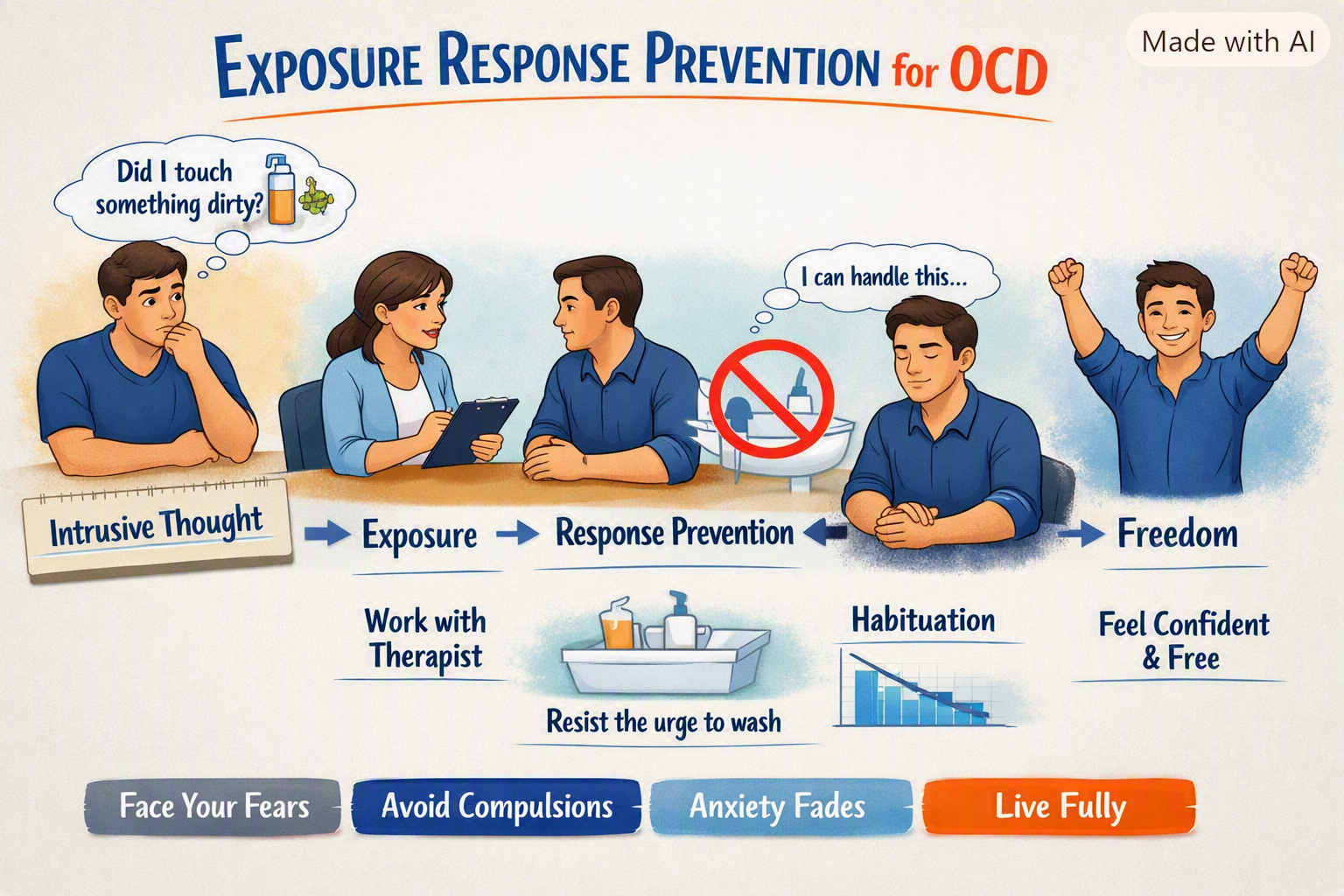
Exposure Response Prevention (ERP)
ERP is an effective therapy for Obsessive Compulsive disorder (OCD). It works by breaking the link between anxiety-provoking obsessive thinking and the compulsive behavioural rituals performed in the vain attempt to reduce the anxiety. Repeatedly preventing the compulsive rituals reduces the habituation link between the thoughts and behaviours, thereby reducing the intensity of the anxiety.
Acceptance Commitment Therapy (ACT)
ACT utilises mindfulness and psychological flexibility strategies to help clients accept difficult inner thoughts and feelings rather than fruitlessly fighting or attempting to flee from them. By leaning into acceptance, individuals can clarify their deepest personal values and commit to meaningful life actions that align with those principles.
Behavioural Activation Therapy
Behavioural activation therapy seeks to disrupt the ‘vicious cycle of depression’ dominated by social isolation and withdrawal from life activities. It helps clients to identify, plan and participate in the activities that stimulate neurotransmitter (natural brain chemicals such as dopamine) activity that lifts the mood. Clients learn to use meaningful activities to feel better rather than waiting to feel better to restart these activities.
Interpersonal Social Rhythm Therapy (IPSRT)
IPSRT is an evidence-based therapy for bipolar disorder that corrects the disruptions to the circadian rhythm (or the human 24-hour body clock) that commonly destabilise mood and precipitate episodes of mania and depression. IPSRT incorporates strengthening a person’s relationships that can be impacted by the mood instability in order to initiate and sustain recovery.
Motivational Interviewing
Motivational interviewing is a therapeutic process of facilitating behavioural change, in the understanding of how difficult this can sometimes be. Spearheaded in the field of addictions, motivational interviewing seeks to stimulate the person’s motivation to change by resolving the ambivalence associated with it. In doing so, the therapist does not impose a change agenda on the person.
Emotionally Focused Couples Therapy (EFT-C)
Grounded in human attachment theory, this modality maps out the negative interactional patterns and cycles that cause distress and dysfunction within close relationships. It guides couples to safely reshape their emotional bonds, cultivating open communication, mutual vulnerability, and a secure sense of connection.

Mental health occupational therapy is all about maximising a person’s participation in their day-to-day life activities, thereby improving their mental health and wellbeing. We work on the goals that re meaningful to the person, such as adapting to life as a new parent. Some of the life improvements that OT’s will work with clients to achieve include:
Routine and Habit Architecture: Structuring specific daily schedules such as morning and evening routines, target sleep hygiene practices, healthy lifestyle interventions such as scheduling healthy food preparation, exercise and self-care activities.
Skill-building strategies: This includes and is not limited to cognitive remediation, emotion regulation, time management, activity pacing, relaxation skills, assertive communication skills…
Sensory modulation: OTs work with clients to create sensory profiles and design bespoke ‘sensory diets’ to decrease unwanted sensory stimuli, increase wanted/needed sensory stimuli and manage central nervous system responses to sensory experiences. This can be particularly helpful for people with neurodiversity.
Environmental modification: This applies to the physical and social environment in which people participate. Physical environments can be modified for safety and more effective participation in day to day activities and can include assistive technology and creating more sensory friendly environments. The social environment can be improved by working with the people who are most influential in the person’s life and by linking people with new social support networks such as peer support groups and communities.
NDIS Support: Rise provides therapy for NDIS participants with psychosocial disabilities. We assist individuals applying for the NDIS by administering required evaluations, including Functional Capacity Assessments, and preparing all necessary documentation. Additionally, we liaise with other health practitioners and NDIS personnel involved in the participant’s care. We provide capacity building occupational therapy interventions funded by the NDIS to people with psychosocial disabilities.

Ready to Feel Better?
Send us a quick note and let’s book your first session—help is just a click away.